How a face swap actually works
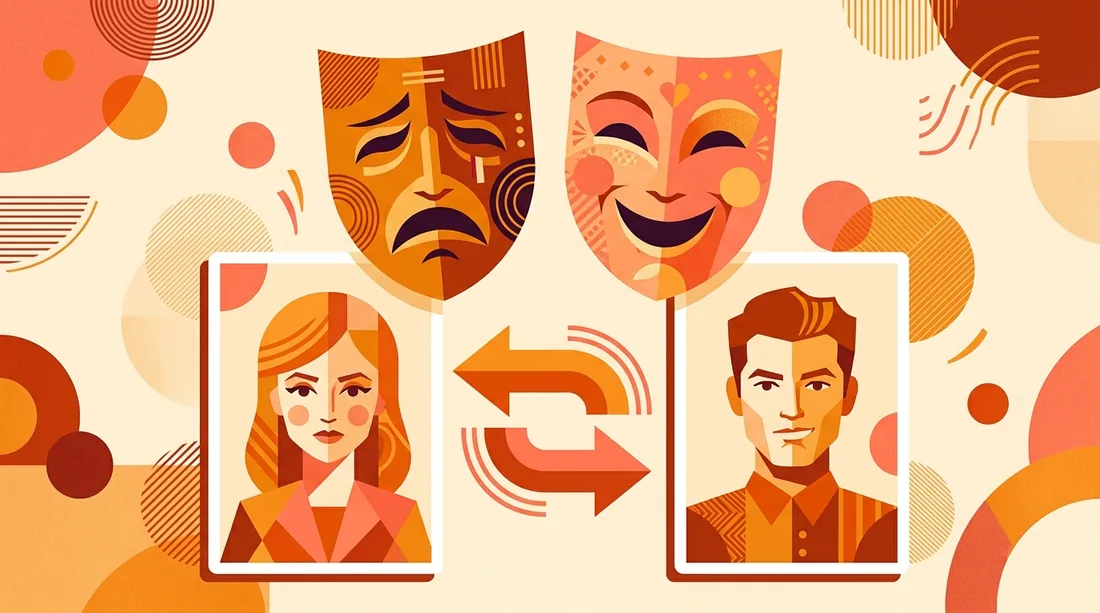
Modern face swap tools run a three stage pipeline. First, a detector finds the face in each photo and marks dozens of landmarks: eye corners, nose bridge, mouth line, jaw edge. Second, an encoder captures the identity of the source face, the features that make it recognizably that person, separately from pose and expression. Third, the tool renders that identity onto the target face's geometry, matching its angle, expression and lighting, then blends the boundary so skin tone and grain flow across the seam. Ten years ago this took an effects studio. Today it takes two uploads and a few seconds in a browser tool like the free face swap tool built into HotIMG. Understanding the pipeline is not trivia: nearly every bad result traces back to one stage being starved of information, which is what the rest of this guide fixes.
Consent and ethics are not optional
Before technique, the rule that governs everything: only swap faces of people who have agreed to it. Your own face is always fair game. A friend who is in on the joke is fine. A coworker, an ex, a stranger from social media or a celebrity is not, no matter how harmless the intent feels, because the person on the receiving end does not experience your intent, only the image. A convincing swap of someone who never consented can embarrass them, misrepresent them or put words and situations onto their body, and in a growing number of places that is illegal as well as wrong.
The test is simple: would you show the result to the person whose face you used? If yes, and they would laugh, you are on solid ground. If you would rather they never found out, you already have your answer. When you share a swap publicly, say what it is. Disclosure costs nothing and keeps a fun edit from becoming misinformation with your name on it.
Choosing a source photo that swaps cleanly
The source photo, the face being copied, sets the ceiling on quality. The encoder can only work with the pixels you give it, so give it the best evidence available:
- Front-facing. A straight-on view shows both eyes and the full facial geometry. Profiles and three-quarter angles starve the model of half the face.
- Evenly lit. Soft, even light preserves true skin tone and structure. Harsh side light bakes shadows into the identity that reappear in the result.
- High resolution. The face should span several hundred pixels. A face cropped from a distant group shot produces a smeared swap every time.
- Unobstructed. No sunglasses, no hair across the face, no hands on the chin, no heavy filters. The model reproduces whatever covers the face as if it were the face.
- Neutral to mild expression. Extreme grins and squints distort landmarks and transfer badly onto calmer targets.
Match the target: angle, lighting and expression
A clean swap is mostly a matching exercise between the two photos. Head angle matters most: a front-facing source maps naturally onto a front-facing target, while forcing it onto a strong profile stretches features around geometry that does not exist in the source. Lighting direction comes second, because the blend inherits the target's shadows; if the target is lit from the left and the source from the right, the composite face carries contradictory shading that reads as wrong even when nobody can say why. Expression intensity is third: mapping a broad laugh onto a solemn pose produces the uncanny dead-eyed grin that gives casual swaps away instantly. Resolution parity finishes the list, since a sharp face floating on a soft photo looks pasted on regardless of how good the blend is.
Common artifacts and their fixes
| Artifact | Usual cause | Fix |
|---|---|---|
| Blurry seam around the face | Low resolution source photo | Use a sharper, larger source image |
| Mismatched skin tone | Different lighting color between photos | Pick photos shot in similar light |
| Ghosted or doubled features | Hair, glasses or hands crossing a face | Choose unobstructed photos of both faces |
| Warped eyes or stretched cheeks | Large head angle difference | Match the pose between source and target |
| Lifeless, pasted-on expression | Expression intensity mismatch | Pair similar expressions and redo the swap |
Every one of these is cheaper to prevent than to repair. Two minutes spent choosing better input photos beats twenty minutes of retouching a flawed composite, and it is the habit that separates clean results from obvious fakes.
A clean workflow from first swap to final share
A repeatable process turns the guesswork into a routine. Start by tightening the target image with the crop tool so the face is prominent and distractions are gone, which also helps the detector lock on. Run the swap, zoom to full size, and inspect the three usual trouble spots: the hairline, the jaw seam and the eyes. If something is off, change one input photo and run it again rather than accepting a weak result. Before the image leaves your machine, strip the metadata, because the file can carry the capture date, device details and even location from the original photo; the EXIF data guide shows what hides in there and how to remove it. Then share deliberately: keep swaps private by default, use an expiry timer for throwaway jokes so they delete themselves, and follow the private sharing guide when only specific people should ever see the result. If anyone in the image asks you to take it down, do it immediately and without argument. Their face, their call.
Uses that hold up in daylight
Plenty of face swapping is honest fun, and it helps to know what that looks like. Friends swapping faces in a group photo where everyone is laughing at the result. Trying your own face on a historical portrait or a costume before committing to it. A film student previewing casting choices with the actors' blessing. Parents making birthday cards where the family dog gets Dad's face. The common thread is that every recognizable person is in on it. If you want the creative effect without involving a real second person at all, generate a fictional face instead: the AI image generation guide shows how to create convincing people who do not exist, which sidesteps consent entirely. Stay alert on the receiving end too, because criminals now use swapped faces in fake profiles, celebrity endorsement videos and romance cons; the guide to avoiding image scams lists the red flags that give manipulated media away. Used with consent and a little judgment, face swapping is one of the genuinely fun corners of AI imaging. Used without them, it is a fast way to hurt someone and lose your account. The difference is entirely in your hands.